
ABOUT / THE PERSON BEHIND THE WORK
It started with a question about flour.
I was sixteen when a question about measuring flour sent me looking for something I couldn't find in a recipe: a better explanation.
That curiosity still shapes how I cook, teach, build businesses, and develop technology.
A PERSONAL STORY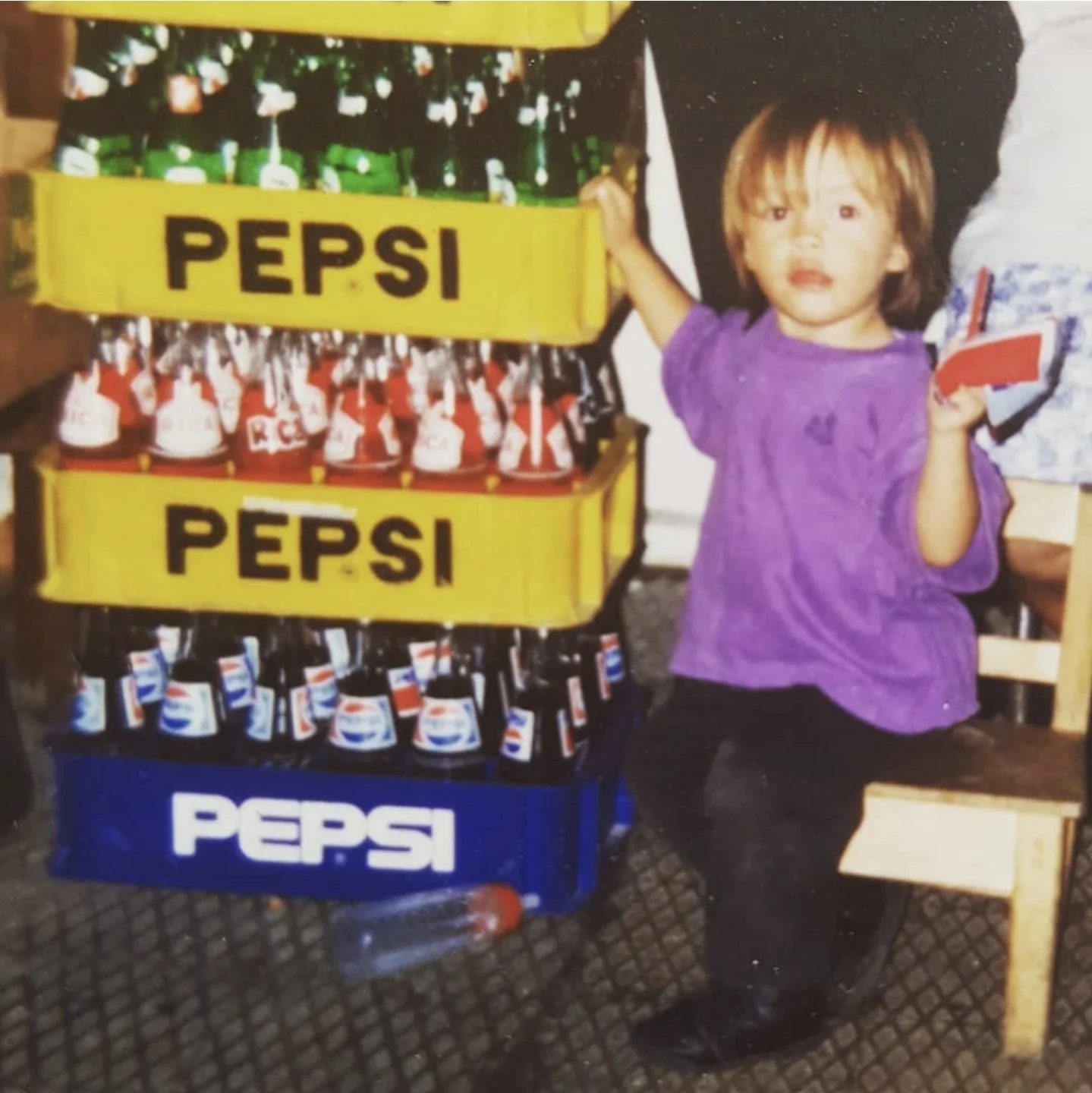
THE BEGINNING
Food was part of the family.
So was the business.
My grandmother was an exceptional cook. My mother is, too. Food was central to our family, and the conversations, celebrations, and care that happened around it.
My family also ran businesses in hospitality and food and beverage. I grew up seeing not just what people enjoyed at the table, but the work, decisions, and responsibilities behind the experience.
In a way, cooking and entrepreneurship were never separate paths for me. Both were there from the beginning.
THE QUESTION
How do you standardize something you haven't measured consistently?
During a cooking course, an instructor measured flour with cups. I asked whether the amount would change depending on how tightly the flour was packed.
I didn't get a satisfying answer. What seemed like a minor technical detail became a much bigger question: how can you reproduce a result without understanding the variables behind it?
At the time, the kind of technical culinary education I wanted was difficult to find locally. So I kept investigating. I still do.
AT SIXTEEN / A COOKING CLASSTHE UNDERLYING PRINCIPLE
Volume isn't mass. The same cup can hold different amounts of flour depending on how it's filled.
THE REAL-WORLD TEST
Then the numbers became real.
I studied hotel and restaurant administration. My first marketing class changed the way I looked at business, and I kept learning about design, data, and how people make decisions.
Later, the family businesses faced bankruptcy. It was no longer enough to understand a concept in theory. We had to confront costs, operations, marketing, and difficult decisions in the real world.
I worked through that period applying what I knew and learning what I didn't. It sharpened a conviction I carry into every project: when the information is unreliable, even capable people can make poor decisions.
That experience changed how I think about building a food business. It also changed what I believe smaller operators deserve access to.
FROM QUESTIONS TO PRACTICE
A wider way of working.
Each discipline answered a different problem I encountered.
Craft
Making food.
Technique, ingredients, product development, and making quality repeatable rather than accidental.
Education
Explaining why.
Turning methods into knowledge people can understand, question, and use in practice.
Business
Understanding value.
Pricing, marketing, consumer behavior, data, and the operational economics behind a product.
Technology
Building systems.
Designing practical tools that can reduce avoidable error and make better decisions easier.
WHAT I'M BUILDING
The work keeps evolving.
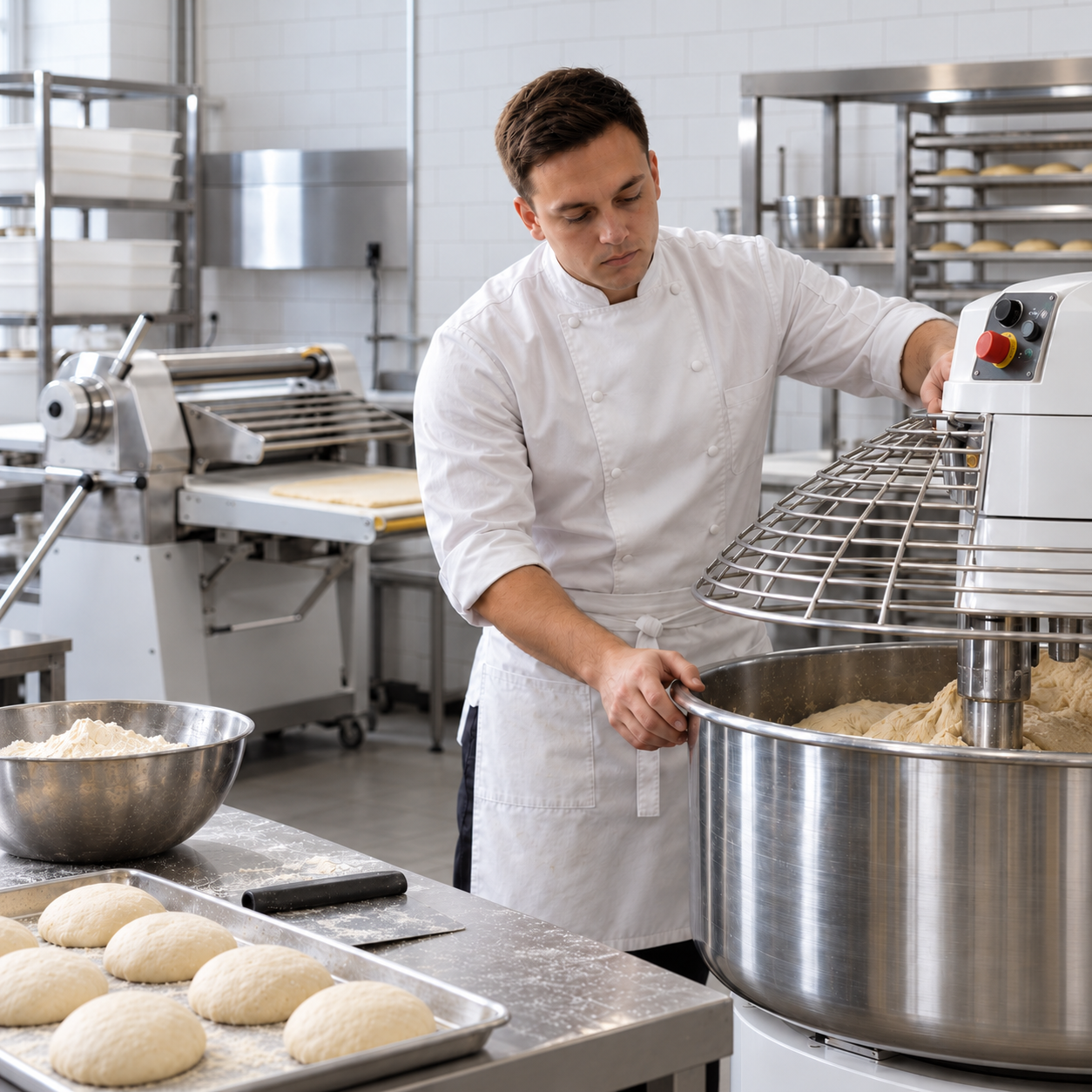
Through Mealing Foods, Mont Saint Michel, Oslobahn, and Borgen Quant, I work across food manufacturing, culinary education, operations, and commercial strategy.
Now I'm also developing structured household food-management methods through Borgenize Home and food-operations software through Oslobahn OS, which is still in development.
These are not unrelated ventures. They are different applications of a question I've been asking for years: how can we make better decisions about food?
THE LONG VIEW
The ambition is bigger than a business.
I want professional knowledge and tools to be accessible far beyond large food companies. Independent operators, entrepreneurs, and eventually households should have access, too.
My longer-term ambition is to change how people understand, manage, and relate to food. That includes contributing to the work of addressing malnutrition in Guatemala.
It's a substantial challenge. For me, it's a reason to keep building.
THE CONVERSATION CONTINUES